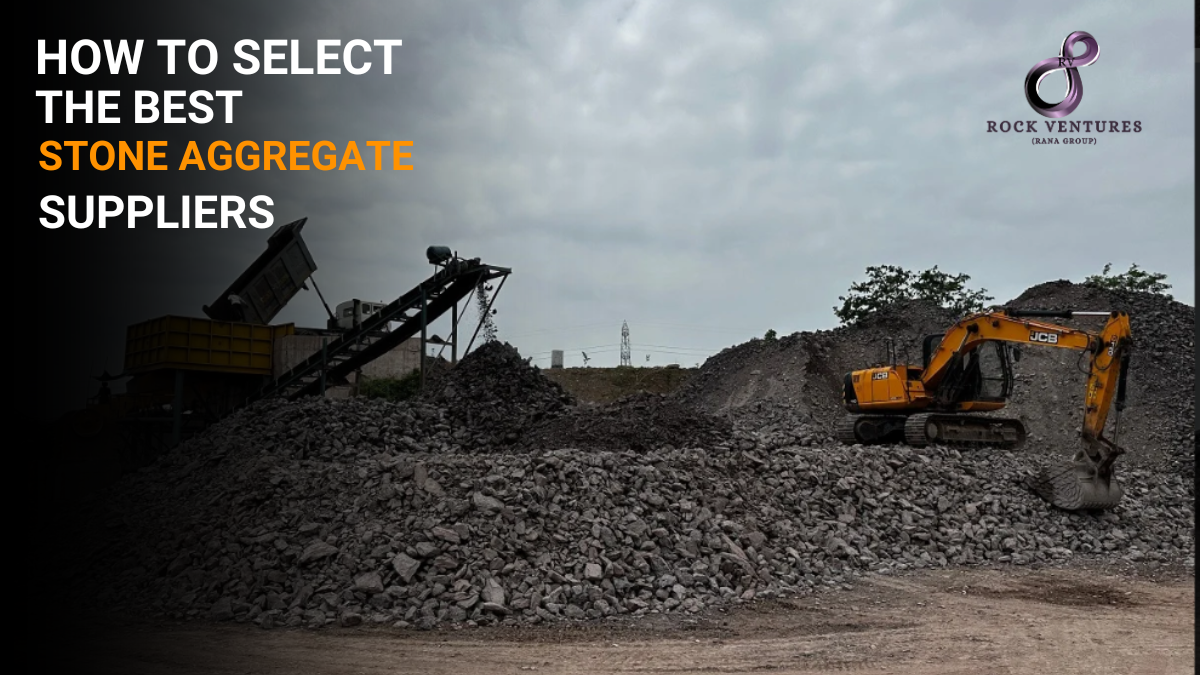
Stone aggregates are the backbone of every construction project. From high-rise buildings to highways, the quality and consistency of aggregates directly affect the durability and safety of structures. Selecting the right supplier is not just about price—it’s about reliability, quality, delivery, and sustainability. Best Stone Aggregate Supplier For construction managers, contractors, and builders, knowing how to select the best stone aggregate supplier can save time, cost, and headaches in the long run. This guide provides actionable tips, explains industry standards, and highlights key considerations for sourcing aggregates efficiently.
Understanding Your Project Requirements
Every construction project has unique requirements. The first step in selecting a supplier is to understand what types of aggregates your project needs. Aggregates vary in size, strength, and composition:
- Coarse aggregates: Crushed stones and gravels used in concrete and road construction.
- Fine aggregates: Sand or smaller particles, critical for mortar and concrete finishing.
- Specialty aggregates: For decorative, drainage, or high-strength applications.
Knowing your project requirements helps you communicate clearly with potential suppliers, avoid unnecessary costs, and ensure that the materials meet structural needs. For instance, a highway project demands high-strength, well-graded crushed stone, whereas landscaping may require rounded gravel.
Evaluating Supplier Experience and Reputation
Experience matters when selecting a stone aggregate supplier. Established suppliers bring reliability, technical knowledge, and a track record of quality. When evaluating a supplier, consider:
- Years in business: A supplier with 5–10 years of consistent operation often indicates stability.
- Project portfolio: Ask for references and check past projects to gauge quality and reliability.
- Customer testimonials: Online reviews and client feedback provide insights into professionalism, responsiveness, and adherence to timelines.
A supplier’s reputation also reflects their commitment to industry standards and ethical business practices. Suppliers who invest in quality testing, modern equipment, and staff training often deliver better results consistently.
Quality Standards and Compliance
Quality is the most critical factor in selecting stone aggregates. Poor quality aggregates can lead to cracks, uneven settling, and structural failure. To ensure top quality:
- Verify industry standards: In India, IS 383 specifies requirements for coarse and fine aggregates used in concrete.
- Sample testing: Request material samples and check gradation, hardness, and cleanliness.
- Material test reports: Certified suppliers provide reports confirming compliance with industry norms.
High-quality aggregates enhance concrete strength, reduce maintenance costs, and ensure long-lasting structures. Never compromise on quality for cheaper rates.
Checking Delivery Capabilities
Reliable delivery is essential to prevent project delays. Consider these factors:
- Stock availability: Does the supplier maintain sufficient stock to meet your demand?
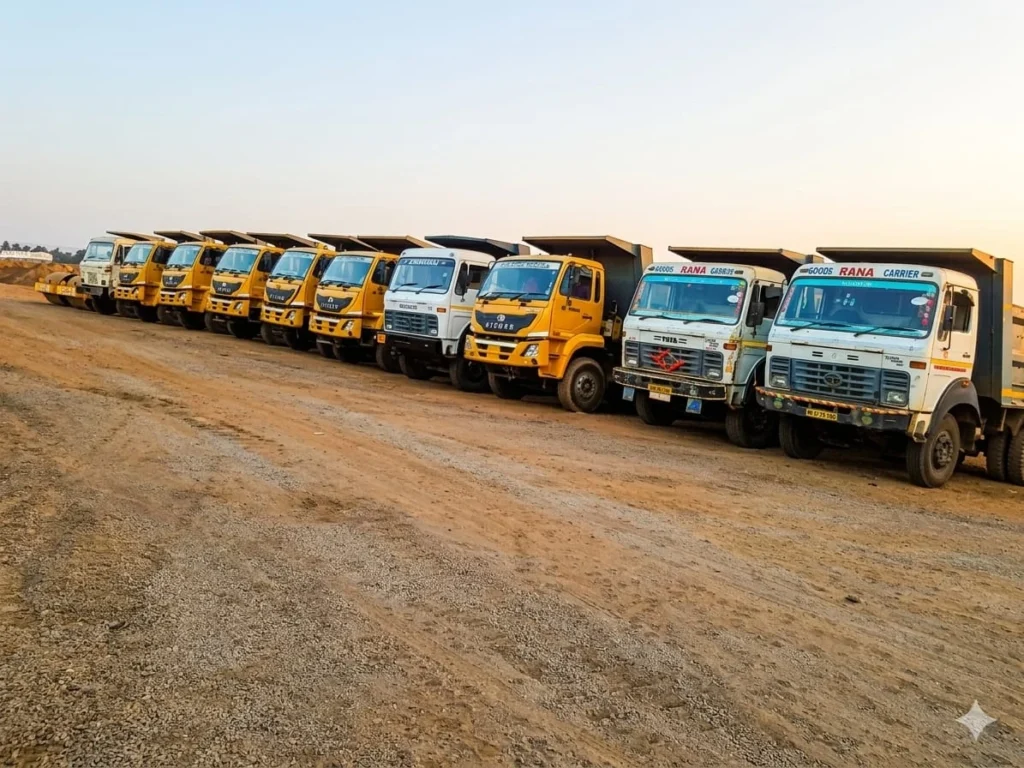
- Transportation: Do they have their own fleet or logistics partnerships?
- Timelines: Can they meet urgent or bulk order requirements?
- Packaging and handling: Proper storage prevents contamination or loss.
Suppliers with robust logistics networks reduce the risk of project delays and additional costs. Timely deliveries ensure continuous work flow and prevent idle labor costs.
Comparing Pricing and Value
Cost is always a factor, but focusing solely on the lowest price can backfire. Instead:
- Obtain multiple quotes from suppliers.
- Analyze price relative to quality: cheaper aggregates may have higher impurity levels or inconsistent grading.
- Consider long-term value: high-quality materials reduce maintenance costs, improve project longevity, and minimize wastage.
Value-based pricing helps you balance quality, cost, and service, ensuring optimal investment in your construction materials.
Partnering with Government-Approved Suppliers
Government-recognized suppliers provide an added layer of trust and compliance. Public sector enterprises often adhere to strict quality and environmental standards. For example, Mineral Exploration Corporation Limited (MECL) supplies verified and standardized aggregates across India.
Benefits of working with certified government suppliers include:
- Verified material quality and grading
- Compliance with legal and environmental regulations
- Reduced risk of disputes over material standards
This ensures that your project not only meets engineering standards but also aligns with regulatory norms.
Sustainability and Eco-Friendly Practices
Sustainable sourcing is increasingly critical in construction projects. Responsible suppliers focus on:
- Environmentally conscious mining: Minimal land degradation and reduced ecological impact.
- Waste management: Efficient processing and recycling of stone by-products.
- Green certifications: Compliance with environmental standards for green building projects.
Partnering with sustainable suppliers can help achieve certifications like LEED or IGBC and demonstrate corporate responsibility.
Communication and Customer Support
Strong communication ensures smooth operations and mitigates project risks. A supplier with proactive customer support should:
- Respond quickly to queries and order updates.
- Provide guidance on material selection and handling.
- Address complaints efficiently, ensuring minimal disruption to your project.
A supplier who treats clients as partners rather than transactional buyers enhances long-term trust and project success.
Technology Integration
Modern suppliers leverage technology to improve efficiency and transparency:
- Online ordering systems: Check stock, place orders, and track deliveries.
- Digital invoicing and billing: Simplifies accounting and reduces errors.
- Telematics for fleet tracking: Ensures timely deliveries and accountability.
Tech-savvy suppliers provide real-time visibility and minimize delays, making them more reliable for large-scale construction projects.
Long-Term Partnerships
Selecting a supplier is not just about a single project. Consider suppliers who are willing to build long-term relationships. Benefits include:
- Better negotiation power on prices and delivery schedules.
- Priority access to high-demand materials.
- Technical support and consulting for project optimization.
Long-term partnerships create mutual trust and help streamline procurement for multiple projects.
FAQs
Q1: What is the difference between crushed stone and gravel?
A1: Crushed stone is mechanically processed and angular, ideal for concrete and road construction. Gravel is naturally rounded, suitable for landscaping and drainage.
Q2: How do I verify the quality of stone aggregates?
A2: Request material test reports, conduct sample testing, and ensure compliance with standards like IS 383.
Q3: Are government suppliers more reliable than private suppliers?
A3: Government-certified suppliers like MECL adhere to strict standards, providing verified materials and reducing risk for large projects.
Q4: How important is delivery reliability?
A4: Extremely. Delayed deliveries halt construction, increase labor costs, and may compromise project timelines.
Q5: What should I consider for eco-friendly aggregates?
A5: Look for suppliers with sustainable mining practices, waste management, and environmental certifications for green construction projects.
Q6: Can technology improve supplier efficiency?
A6: Yes. Suppliers using online ordering, tracking, and digital reporting ensure timely delivery and transparency.
Q7: How to balance price and quality when selecting a supplier?
A7: Compare multiple quotes, but prioritize quality. Poor aggregates may be cheaper but lead to higher long-term costs.
Final Thoughts
Selecting the best stone aggregate supplier is a strategic decision that affects project quality, budget, and timeline. Focus on suppliers who provide high-quality materials, timely deliveries, excellent communication, and sustainable practices. Partnering with government-approved or certified suppliers like MECL ensures reliability and compliance with industry standards.
Investing in a reliable supplier is investing in the long-term success of your construction projects. By prioritizing quality, sustainability, and strong partnerships, you can ensure smooth operations, reduced risks, and superior structural outcomes.
Read More Blogs
If you want to explore more insights related to the top-rated ready mix concrete suppliers near Bhilai construction materials, and infrastructure solutions, check out these useful blogs: