Construction, mining and infrastructure projects depend on more than a single material or contractor. A road project may require aggregates, earthwork and transportation. A railway project may require track-bed preparation, ballast, earthwork and foundation work. A building project may require ready mix concrete, bricks and other construction materials.
So, what are the Rockventures services available for these requirements?
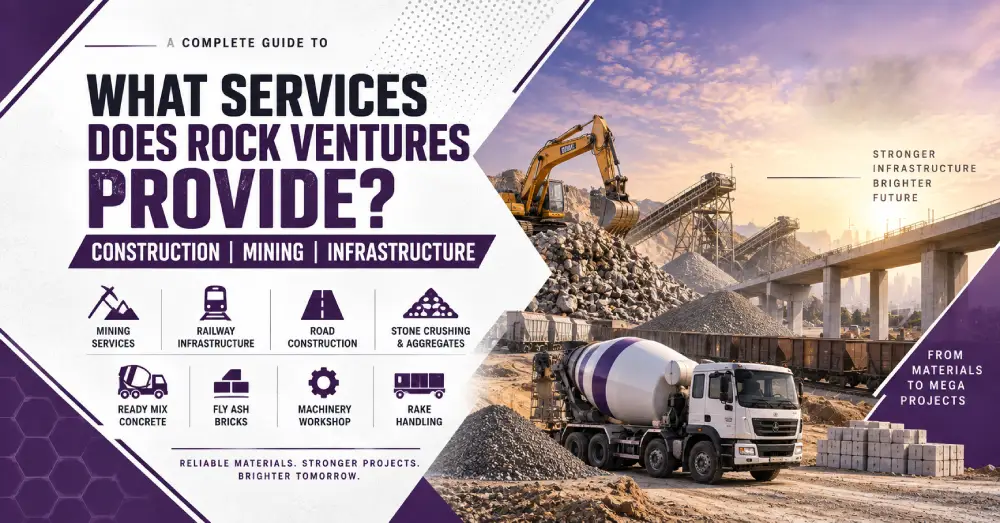
Rock Ventures’ current website presents a portfolio covering mining, railway infrastructure, road construction, stone crushing, RockCrete RMC, fly ash bricks and machinery workshop services. Its broader services page also identifies stone and sand aggregate supply, construction support, transport and precast solutions.
This makes the company relevant to contractors, builders, infrastructure developers, project managers, industrial businesses and other organisations that need construction materials, infrastructure support or mining-related services.
This guide explains the major Rockventures services, what each service involves, where it can be useful and what project teams should consider before selecting a service provider.
What Services Does Rock Ventures Provide?
Rock Ventures’ website currently presents its services around several connected areas of construction, infrastructure and mining.
These include:
| Service | Main Application |
|---|---|
| Mining | Material extraction, excavation and site preparation |
| Railway Infrastructure | Track-bed, earthwork, embankments and railway-related civil work |
| Road Construction | Site preparation, subgrade, pavement and drainage |
| Stone Crushing | Crushed stone, aggregates, road-base materials and railway ballast |
| Ready Mix Concrete | Concrete requirements for construction projects |
| Fly Ash Bricks | Residential, commercial and industrial building work |
| Rock Machinery Workshop | Repair and maintenance of construction and mining equipment |
| Rake Handling | Bulk material loading, unloading and movement |
| Aggregate Supply | Stone and sand requirements |
| Construction Support | On-site technical and project support |
| Transport Services | Material movement and logistics |
| Precast Solutions | Precast construction elements |
These services are not isolated from one another. They often form part of the same project supply chain.
For example, a road project can involve mining or material extraction, stone crushing, aggregate supply, transportation, site preparation and pavement construction. Similarly, railway infrastructure can require earthwork, aggregates, ballast and material transportation.
The Rock Ventures services portfolio therefore covers several stages between raw material requirements and infrastructure execution.
Mining Services for Construction and Infrastructure Projects
Mining is one of the core service areas identified by Rock Ventures.
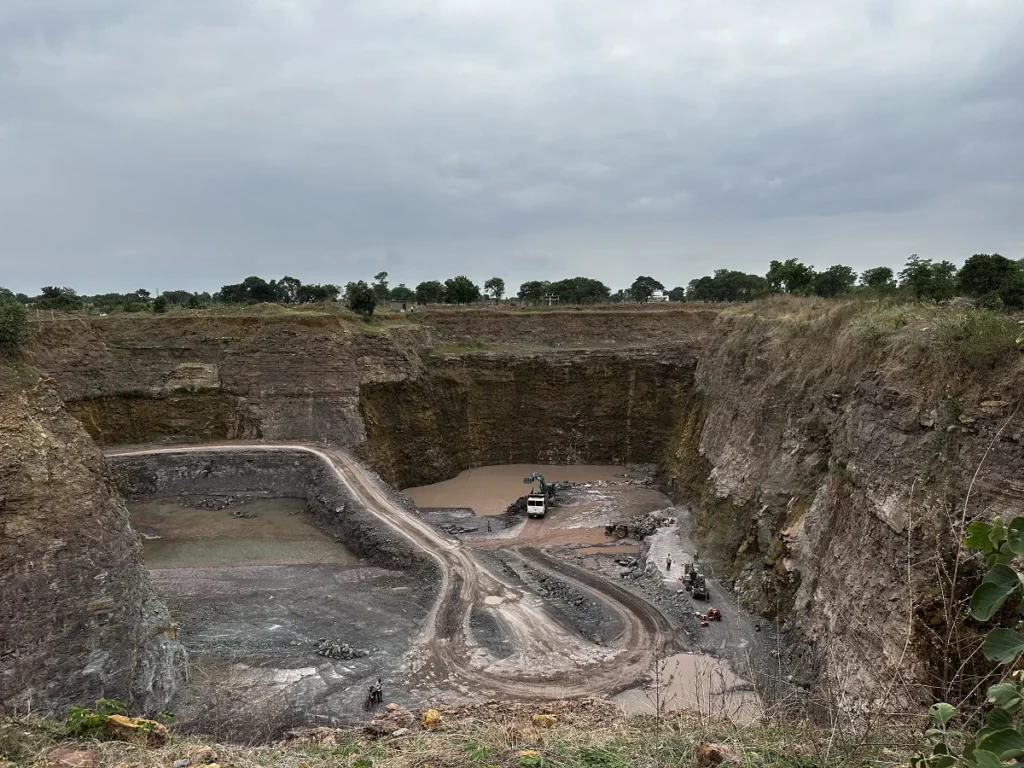
The company’s mining page describes professional mining and excavation services involving sand, aggregates and raw construction materials used for infrastructure and civil engineering projects. It lists sand mining, aggregate extraction, site preparation, material transportation and mining equipment operations among its service areas.
Mining and Excavation Support
Mining-related work requires careful planning before extraction begins.
A typical project may involve:
- Site assessment
- Access preparation
- Excavation planning
- Material handling
- Equipment deployment
- Loading and transportation
- Stockpile management
- Quality considerations
- Regulatory and environmental requirements
The exact approach depends on the material, location, project scope and applicable permissions.
For projects that require reliable material extraction, excavation and mining support, Rock Ventures Mining Services provides solutions covering mining operations, aggregate extraction, site preparation and material transportation. Explore the service to understand how Rock Ventures can support mining and infrastructure-related requirements.
Aggregate Extraction and Material Movement
Aggregates are widely used in roads, concrete, railway infrastructure and other civil works.
After extraction, materials may need to be processed, graded, stored and transported according to project requirements.
This means mining should not be viewed only as the extraction stage. Material handling and logistics are also important parts of the overall supply chain.
Indian mining activities are subject to a regulatory framework that includes the Mines and Minerals (Development and Regulation) Act and associated rules. Project-specific requirements can vary, so developers and operators should verify the latest applicable requirements with the relevant authorities before beginning work.
Aggregates are fundamental to road construction, concrete production, railway works and several other infrastructure applications. Rock Ventures Aggregate Supply Services can support projects requiring stone and sand aggregates as part of their construction material requirements. Visit the services page to explore the available material solutions.
Railway Infrastructure and Civil Works
Railway infrastructure requires accurate civil preparation because the quality of the underlying formation affects subsequent track construction.
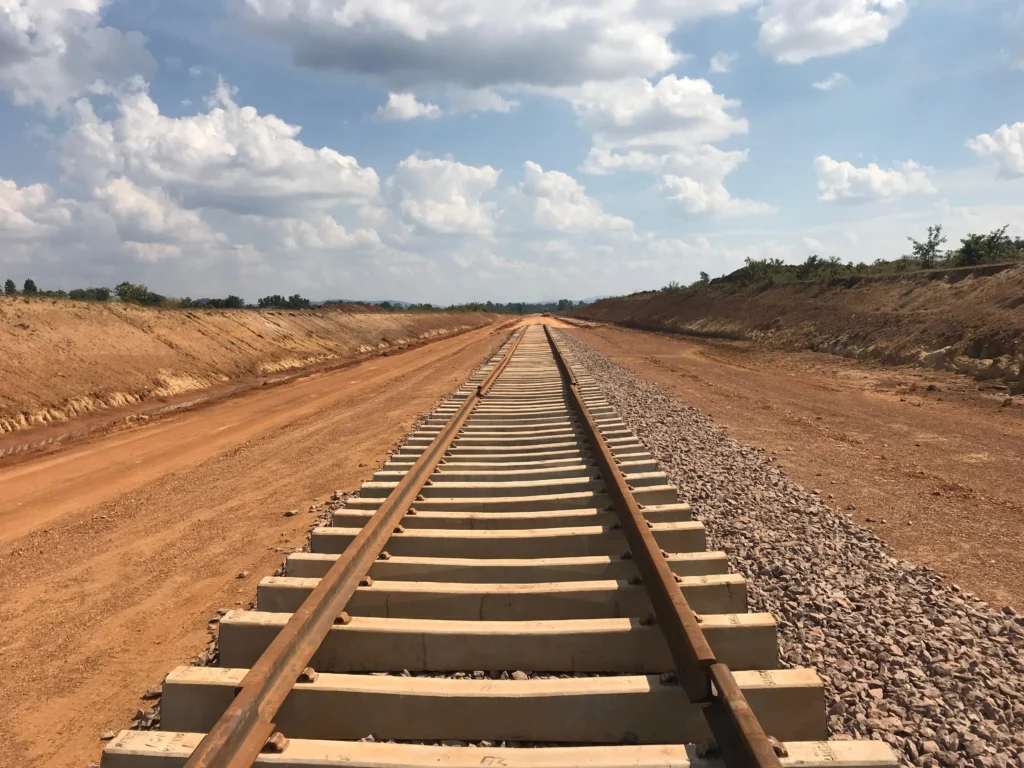
Rock Ventures’ railway service page describes support for railway infrastructure projects, including track-bed preparation, earthwork and embankment construction, aggregate and sand supply, and foundation work for railway structures.
Track Bed Preparation
A railway track bed provides the prepared foundation on which subsequent railway components are constructed.
The work can involve:
- Site preparation
- Earthwork
- Formation preparation
- Material placement
- Compaction
- Drainage considerations
- Aggregate or ballast supply
The exact engineering requirements depend on the railway project specifications and design.
Earthwork and Embankment Construction
Railway earthwork can include excavation, filling, grading and embankment construction.
The objective is to create the required formation profile and provide a suitable foundation for the railway system.
For large infrastructure projects, material availability and transportation are particularly important. An otherwise well-planned earthwork operation can face delays if suitable material is not available or cannot be transported efficiently to the work front.
Rock Ventures specifically identifies aggregate and sand supply as part of its railway-related capabilities.
Railway projects require careful planning of earthwork, track-bed preparation, aggregates and supporting civil works. Rock Ventures Railway Infrastructure Services covers key requirements associated with railway construction and infrastructure development. Explore the service to learn more about the available railway project support.
Road Construction and Road Infrastructure Services
Road construction involves much more than laying the final pavement.
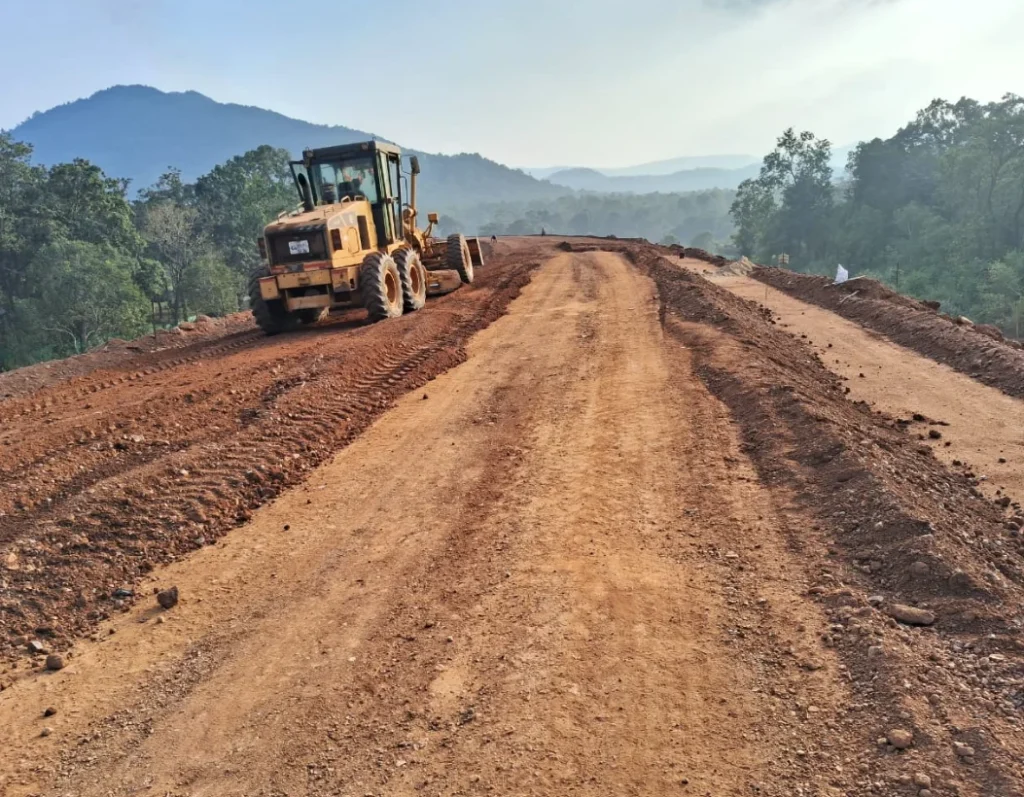
Rock Ventures’ roadways page describes services covering site clearing and grading, subgrade and base preparation, pavement construction, drainage solutions and concrete road development.
Site Clearing and Grading
Before pavement construction begins, the site generally needs to be prepared according to the engineering design.
Depending on the project, this may include:
- Clearing the construction area.
- Removing unsuitable material.
- Establishing required levels.
- Preparing the formation.
- Managing drainage.
- Preparing the subgrade.
The actual methodology should always follow the approved project drawings, specifications and engineering requirements.
Subgrade, Base and Pavement Work
The subgrade provides the foundation for the road structure.
A road project may then require different layers of prepared material before the final pavement is constructed.
Material selection is important because aggregate characteristics influence the performance of road layers. Project specifications should determine the required material properties, grading and testing requirements.
For national highway work, MoRTH publishes construction specifications, guidelines and circulars covering different aspects of road and concrete construction. Project teams should use the specifications applicable to their particular contract and verify current revisions.
Road development depends on proper site preparation, grading, aggregates, subgrade preparation, pavement work and drainage. Rock Ventures Road Construction Services are designed to support different stages of road infrastructure development. Visit the service page to explore the available solutions.
Stone Crushing and Aggregate Supply
Stone crushing is another important component of the Rockventures services portfolio.
Rock Ventures states that its stone crushing operations produce aggregates used in road construction, railway ballast and concrete production. The listed materials include crushed stone, construction aggregates, road-base materials and railway ballast.
Crushed Stone and Construction Aggregates
Aggregates can be used across several types of infrastructure.
Common applications include:
- Concrete production
- Road-base layers
- Pavement-related construction
- Railway ballast
- Drainage applications
- General civil works
The required aggregate is not necessarily the same for every application.
Factors such as particle size, grading, strength, cleanliness and project specifications need to be considered before procurement.
Road Base Materials and Railway Ballast
Road and railway projects have different engineering requirements.
For example, railway ballast has a specific role in supporting and stabilising the track system. Road-base aggregates are selected according to the requirements of the road pavement structure.
For this reason, procurement teams should communicate the intended application and technical specifications clearly to the supplier.
Rock Ventures’ website states that its crushing operations are intended to provide consistent size, strength and quality for infrastructure applications.
Ready Mix Concrete Services
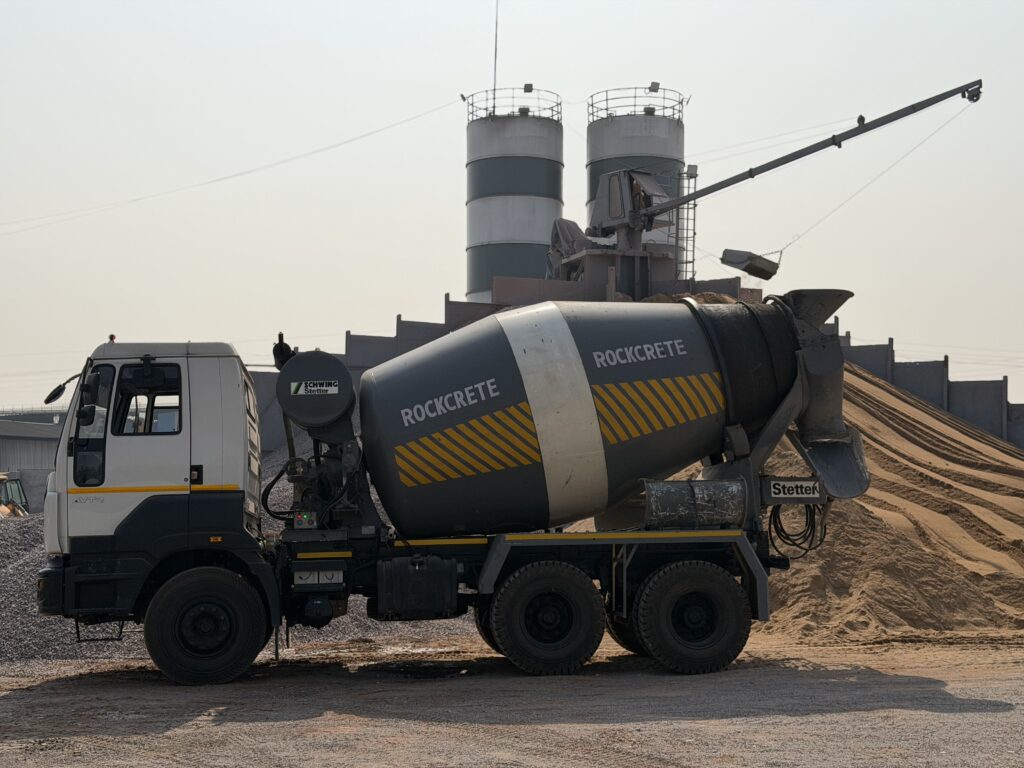
Ready Mix Concrete, commonly called RMC, is produced in a controlled batching environment and transported to the construction site for placement.
Rock Ventures lists Ready Mix Concrete as one of its services under the broader services portfolio and identifies RockCrete RMC within its service navigation.
Why Ready Mix Concrete Is Used
RMC can be useful where construction projects require consistent concrete production and planned delivery.
Potential advantages include:
- Controlled batching
- Consistent mixing
- Reduced dependence on manual site mixing
- Better coordination with concrete placement
- Improved productivity for suitable projects
- More predictable material planning
BIS identifies IS 4926:2003 as the Indian Standard covering requirements for the production and supply of ready-mixed concrete. BIS also explains that the standard is intended to support quality and reliable RMC production and supply.
RMC Planning for Construction Projects
Ordering concrete is not simply a matter of specifying a quantity.
A project team should establish:
- Required concrete grade
- Pour location
- Required delivery schedule
- Estimated volume
- Site access
- Pumping or placement requirements
- Reinforcement and formwork readiness
- Weather considerations
- Testing requirements
- Applicable project specifications
Concrete delivery should be coordinated with site readiness. If reinforcement, shuttering or access is not ready, a scheduled concrete delivery can become difficult to manage.
For larger pours, communication between the RMC supplier, site engineer, contractor and project manager becomes especially important.
Ready Mix Concrete can help construction projects manage concrete production and delivery according to planned site requirements. Rock Ventures Ready Mix Concrete Services provide RMC solutions for suitable construction applications. Visit the service page to learn more about Rock Ventures’ concrete and construction material solutions.
Fly Ash Bricks and Construction Materials
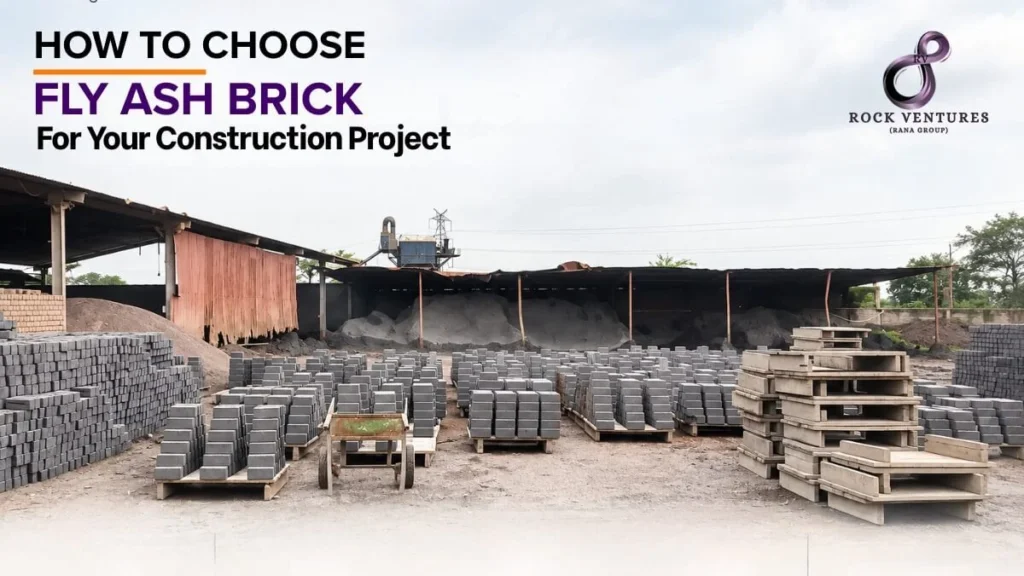
Rock Ventures also lists fly ash bricks as part of its services.
Its fly ash brick page states that the products are intended for residential, commercial and industrial construction and highlights characteristics including uniform shape and finish, strength, thermal insulation and use as an alternative to traditional clay bricks.
Fly Ash Bricks for Building Projects
Fly ash bricks can be considered for various masonry applications depending on the project design and applicable specifications.
When selecting bricks, construction teams should consider:
- Required dimensions
- Strength requirements
- Water absorption
- Surface finish
- Application
- Storage conditions
- Transportation
- Relevant standards and specifications
The correct material should always be selected based on the building design and technical requirements rather than appearance or price alone.

Selecting Construction Materials
Construction material procurement should consider the entire lifecycle of a project.
A cheaper material may not necessarily provide the best overall project value if it creates higher wastage, transportation difficulties, inconsistent quality or installation problems.
Procurement teams should therefore evaluate:
Specification + quality + availability + logistics + total project cost
rather than looking only at the purchase price.
Fly ash bricks can be used across residential, commercial and industrial construction where they meet the project’s technical requirements. Rock Ventures Fly Ash Bricks offer a construction material option for masonry applications. Explore the service page for more information about the available fly ash brick solutions.
Rock Machinery Workshop and Equipment Maintenance
Construction and mining projects depend heavily on machinery.
An equipment breakdown can interrupt excavation, crushing, loading, material handling or other activities. For this reason, equipment maintenance is an important operational consideration.
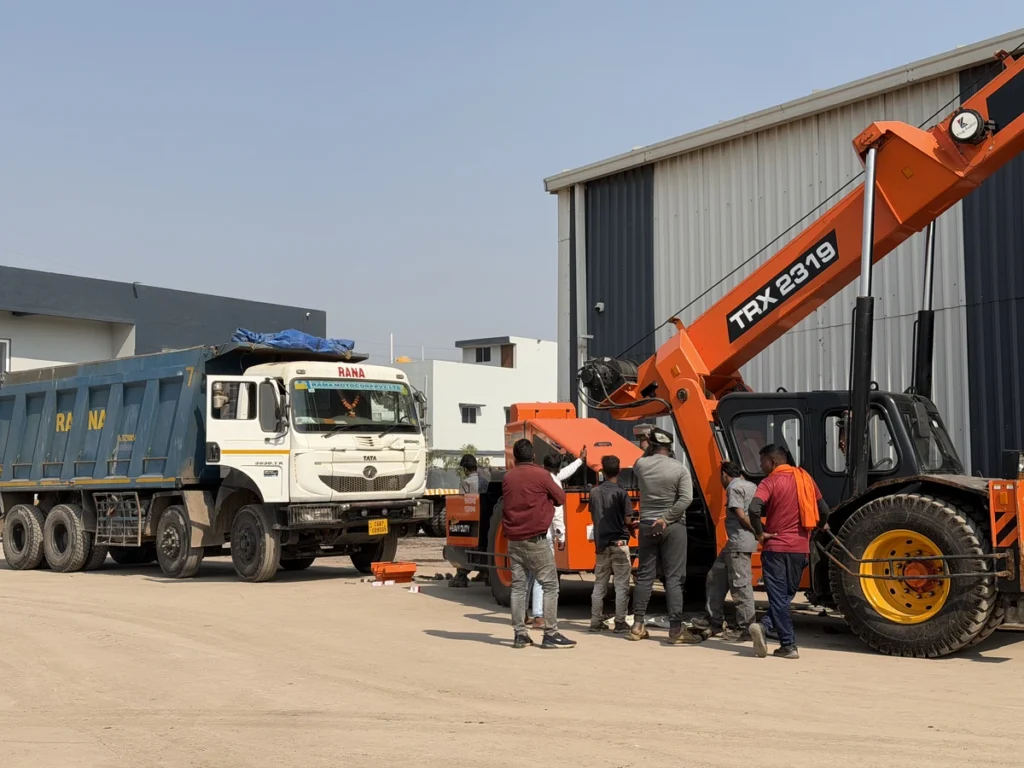
Rock Ventures’ Rock Machinery Workshop page describes repair and maintenance services for construction and mining equipment, including excavator servicing, crusher maintenance, hydraulic repairs, equipment overhauling and preventive maintenance.
Excavator and Crusher Maintenance
Excavators and crushers perform demanding work and operate under significant mechanical loads.
Maintenance planning can include:
- Routine inspection
- Lubrication
- Hydraulic system checks
- Wear-part inspection
- Mechanical repairs
- Crusher maintenance
- Component replacement
- Equipment overhaul
The exact maintenance schedule should follow the equipment manufacturer’s recommendations and the project’s operating conditions.
Preventive Maintenance and Downtime
Preventive maintenance is designed to identify potential problems before they become major failures.
For project managers, this can make equipment planning more predictable.
A useful maintenance programme should account for:
- Operating hours
- Equipment condition
- Manufacturer recommendations
- Critical components
- Spare-part availability
- Planned shutdown periods
Rock Ventures describes its workshop service as focused on reducing downtime and improving equipment efficiency for ongoing projects.
Heavy equipment plays an important role in mining, crushing and construction operations, making timely maintenance essential for project continuity. Rock Ventures Machinery Workshop provides equipment repair and maintenance support for construction and mining machinery. Learn more about the workshop services and equipment support available.
Rake Handling and Bulk Material Logistics
Large infrastructure and industrial projects often need to move substantial quantities of bulk materials.
Rock Ventures provides rake handling services involving railway rake loading, unloading, bulk material handling, transportation and site management. The service page identifies materials such as coal, aggregates, sand and construction materials.
Railway Rake Loading and Unloading
Rake handling requires coordination between:
- Material availability
- Railway scheduling
- Loading arrangements
- Unloading arrangements
- Equipment
- Labour
- Storage areas
- Road or site access
- Final transportation
Poor coordination can create bottlenecks even when the material itself is available.
Bulk Material Transportation
Material transportation connects suppliers, processing facilities, railway infrastructure and construction sites.
A logistics plan should consider:
- Origin and destination
- Material type
- Required quantity
- Delivery schedule
- Loading and unloading points
- Vehicle or railway availability
- Site access
- Storage capacity
- Applicable transportation requirements
For large projects, transportation should be planned alongside procurement rather than treated as a separate final step.
Moving large quantities of bulk materials requires coordinated loading, unloading, transportation and site management. Rock Ventures Rake Handling Services support bulk material handling requirements involving railway rakes and related logistics. Explore the service page to understand the available rake handling solutions.
Construction Support, Transport and Precast Solutions
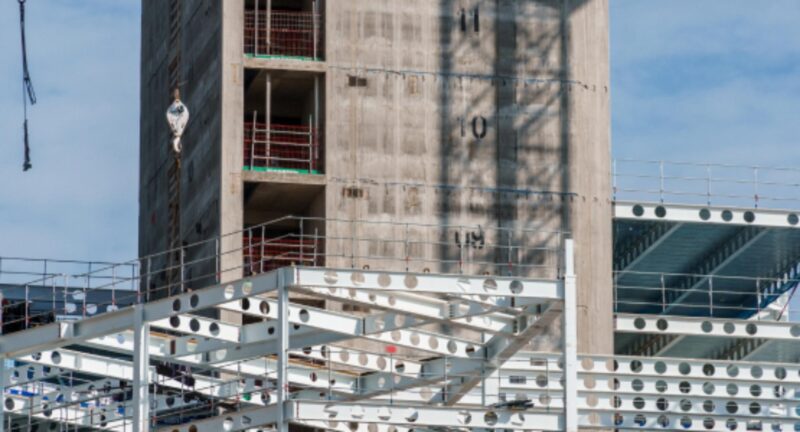
The Rock Ventures services page also identifies construction support, transport services and precast solutions. Construction support is described as on-site technical assistance, while transport services focus on material movement and precast solutions are described as custom precast elements.
Construction Support
Construction support can help project teams coordinate materials and site requirements.
Depending on the scope, support may involve:
- Material coordination
- Site assistance
- Technical communication
- Construction planning
- Project execution support
- Coordination between supply and site teams
The precise scope should be established before a project begins.
Transport and Precast Solutions
Transport is particularly important when construction materials are bulky, heavy or required at specific stages of the project.
Precast elements can also support construction where standardised or custom manufactured components are appropriate.
The suitability of precast construction depends on factors such as:
- Project design
- Component dimensions
- Transportation distance
- Lifting requirements
- Site access
- Installation methodology
- Required production schedule
Large construction projects often require coordination between materials, equipment, transportation and site activities. Rock Ventures Construction Support Services are intended to support project requirements across different stages of construction and infrastructure development. Explore the service offering to identify solutions relevant to your project.
How to Choose the Right Construction or Mining Service Provider
Choosing a construction or mining service provider should involve more than comparing quotations.
Check Technical Capability
First, identify whether the provider actually offers the required service.
For example, a project requiring railway earthwork needs a different capability profile from one requiring only aggregate supply.
Review:
- Service scope
- Technical capabilities
- Equipment requirements
- Material capabilities
- Project coordination
- Site requirements
Review Material and Quality Requirements
For materials such as aggregates, concrete and bricks, the technical specification should be clearly defined before purchasing.
For RMC, for example, the relevant concrete grade, mix requirements, delivery requirements and testing arrangements should be agreed in advance.
BIS provides standards and certification information relevant to ready-mixed concrete, including IS 4926:2003.
Consider Logistics and Project Location
A technically capable supplier may still be unsuitable if material transportation cannot be managed efficiently.
Consider:
- Distance
- Road access
- Delivery windows
- Storage capacity
- Loading facilities
- Site access
- Project schedule
For bulk materials, logistics can be a major part of the overall procurement decision.
Why Integrated Construction and Mining Services Matter
Construction projects rarely operate as isolated activities.
A single infrastructure project may require several connected services:
Extraction → Crushing → Material Supply → Transportation → Site Preparation → Construction
When these activities are planned independently, communication gaps can create delays.
An integrated approach can make coordination easier because project teams can consider material, equipment, transportation and construction requirements together.
Rock Ventures’ current website reflects this connected approach by placing mining, stone crushing, roadways, railways, RMC, machinery, fly ash bricks and related construction services within its broader infrastructure offering.
This does not mean every project requires every service. Instead, project owners can identify the specific combination of services required for their scope.
Planning a Construction, Mining or Infrastructure Project
Good planning begins before equipment reaches the site.
Define Material Requirements
Start by identifying:
- Required materials
- Estimated quantities
- Technical specifications
- Required grades or sizes
- Delivery locations
- Required delivery dates
For aggregates, this may mean specifying the intended application and required grading.
For RMC, it can mean defining concrete grade, quantity and placement schedule.
Plan Equipment and Logistics
Equipment requirements should be considered alongside the work programme.
Questions to answer include:
- What equipment is required?
- Where will it operate?
- What materials need to be moved?
- How will materials reach the site?
- Where will materials be stored?
- What maintenance arrangements are needed?
This is especially important in mining, crushing, road and railway projects.
Establish Quality and Compliance Requirements
Project teams should establish the relevant technical and regulatory requirements before procurement or execution.
For mining projects, applicable permissions and regulatory requirements need to be verified.
For environmental approvals, the Government of India’s PARIVESH platform provides systems relating to environment, forest, CRZ and wildlife clearances.
For road projects, applicable MoRTH specifications and project documents should be checked.
For RMC, relevant BIS standards should be considered.
Requirements can change by project, location, contract and material, so the latest applicable authority-issued requirements should always be verified.
Common Mistakes When Selecting Construction Services
Choosing Only on Price
The lowest quotation is not automatically the lowest project cost.
A quotation should be evaluated alongside:
- Material quality
- Delivery reliability
- Technical compliance
- Transportation
- Equipment
- Service scope
- Project schedule
A low initial price can become less attractive if additional transportation, wastage or delays arise later.
Ignoring Logistics
For aggregates, RMC, bricks and bulk materials, transportation is a fundamental part of supply.
Before finalising a supplier, clarify how the material will reach the project site and whether the proposed schedule is realistic.
Failing to Clarify Specifications
Ambiguous specifications can lead to disputes and unsuitable material deliveries.
The purchase order or work scope should clearly identify:
- Material
- Quantity
- Grade or size
- Application
- Delivery point
- Delivery schedule
- Testing or documentation requirements
- Acceptance criteria
Treating Every Project the Same
A residential building, railway project, mining operation and highway project have very different requirements.
The service provider should be evaluated according to the specific technical and operational needs of the project.
Rock Ventures Services: A Connected Infrastructure Portfolio
The key point for contractors, developers and project managers is that Rockventures services cover multiple parts of the construction and infrastructure supply chain.
The company’s current service portfolio includes:
- Mining and excavation
- Railway infrastructure
- Road construction
- Stone crushing
- Aggregate supply
- Ready Mix Concrete
- Fly ash bricks
- Rock machinery workshop services
- Rake handling
- Construction support
- Transport services
- Precast solutions
For a project owner, the right combination depends on the project scope, location, technical specifications, schedule and material requirements.
Instead of selecting services individually without considering the wider project, it is useful to map the complete requirement from material sourcing through transportation and final construction activity.
Conclusion
Rock Ventures provides a broad portfolio of construction, mining and infrastructure-related services, including mining, railway infrastructure, road construction, stone crushing, aggregates, RMC, fly ash bricks, machinery maintenance and rake handling. Its services page also identifies construction support, transport and precast solutions.
For contractors, developers and infrastructure companies, the appropriate service depends on project specifications, material requirements, logistics, technical standards and execution needs. Careful planning and clear communication are therefore essential before starting any project.
If you are planning a construction, mining, road, railway or material-supply requirement, contact Rock Ventures to discuss your project requirements and identify the relevant service solution.
Frequently Asked Questions
Q1: What services does Rock Ventures provide?
A: Rock Ventures provides services across mining, railway infrastructure, road construction, stone crushing, aggregate supply, Ready Mix Concrete, fly ash bricks, machinery maintenance and rake handling. Its broader services portfolio also includes construction support, transport and precast solutions.
Q2: Does Rock Ventures provide mining services?
A: Yes. Rock Ventures’ mining service covers mining and excavation activities, including sand mining, aggregate extraction, site preparation, material transportation and mining equipment operations, according to its current service page.
Q3: Does Rock Ventures provide Ready Mix Concrete?
A: Yes. Ready Mix Concrete is listed among Rock Ventures’ services, with RockCrete RMC included in the company’s service navigation. RMC requirements should be matched to the project’s concrete grade, design, delivery schedule and applicable specifications.
Q4: What types of infrastructure services does Rock Ventures offer?
A: Rock Ventures lists railway infrastructure and road construction services. Its railway offering includes track-bed preparation, earthwork, embankment construction, aggregate supply and foundation work, while road services include grading, subgrade preparation, pavement, drainage and concrete road development.
Q5: Does Rock Ventures supply construction aggregates?
A: Yes. Rock Ventures lists stone and sand aggregate supply and stone crushing among its services. Its stone-crushing page identifies crushed stone, construction aggregates, road-base materials and railway ballast for infrastructure applications.